General Topics · 裸體的威威 · 6 分鐘閱讀
The Excuse Machine: Why I Know Exactly What to Do and Still Don't Move
Why I know exactly what to do and still don't move: the psychology of excuses, emotional avoidance, and the small steps that break the spell.
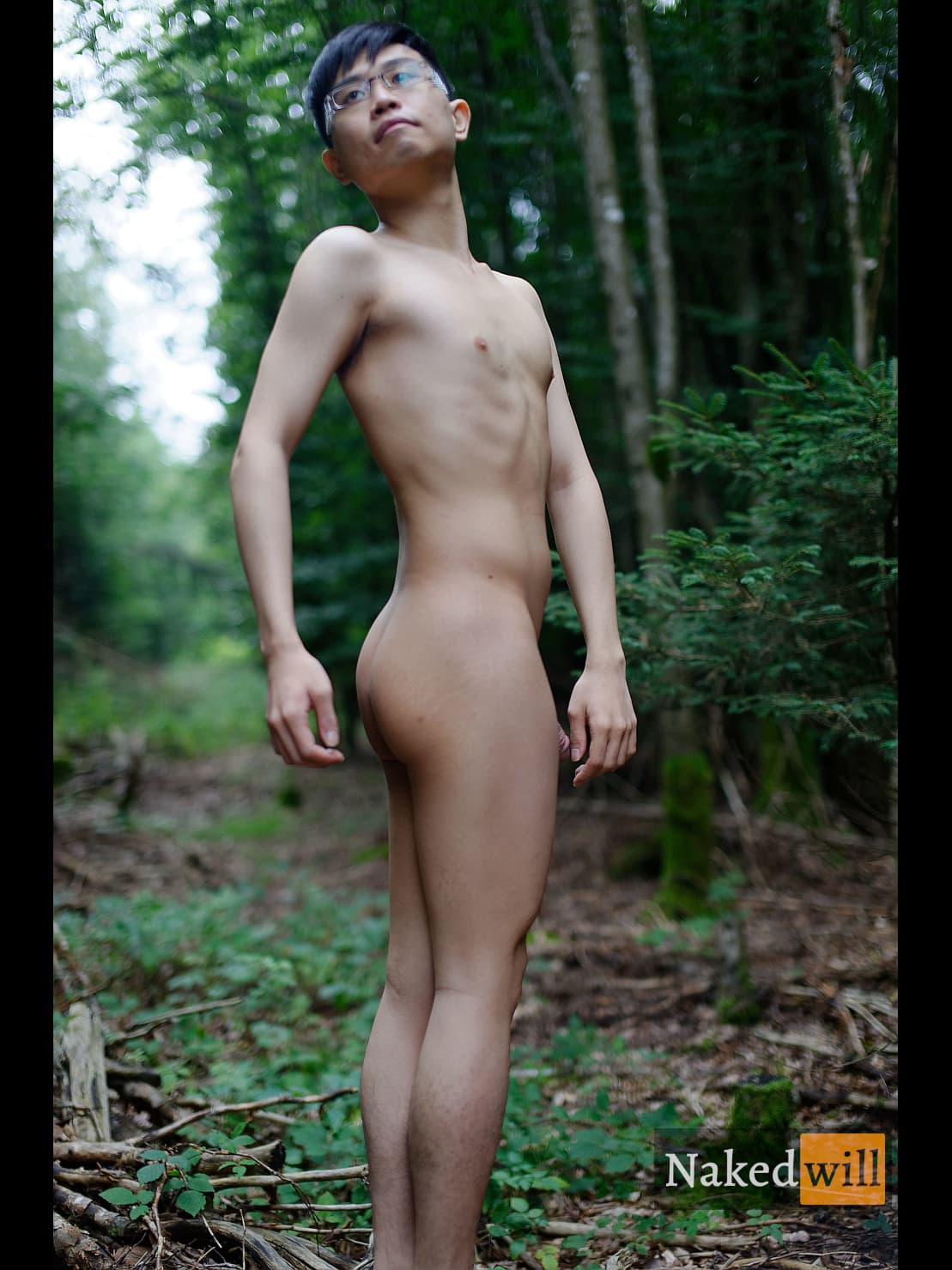
The Excuse Machine: Why I Know Exactly What to Do and Still Don't Move
There's a particular kind of morning I've gotten to know well. The alarm goes off at 6:10. The gym bag is already packed — I packed it at ten the night before with real conviction, the kind that feels like a personality change. And then I lie there, awake, warm, and I start negotiating.
I'll go tonight. Tonight's better anyway. I slept badly. My knee feels strange. I should eat first. Actually, I should probably write first.
Nobody on earth is more creative than a person avoiding something they claim to want.
I've spent years being honest about my body in public — that's the work I do, that's the whole nakedwill thing — and yet for a long time I couldn't be honest about one small private fact: I knew exactly what to do, and I refused to do it. Not because I lacked information. Because some part of me didn't want to move.
This is about that part. The excuse machine.
It isn't a time problem
The first thing I had to unlearn is the story that I'm disorganised. I'm not. I can build a spreadsheet. I know what a protein is. If the problem were information, I'd have solved it in 2016.
Procrastination researchers keep landing on the same conclusion, and it stings a little: this is an emotion regulation problem, not a scheduling problem. We don't delay because we're lazy. We delay because the task, in that moment, feels bad — boring, frightening, likely to fail, likely to expose us — and not doing it feels better. Immediately better. Reliably better.
Your brain runs a quick cost-benefit calculation and it is not interested in the version of you that exists in three months. It's interested in the version of you sitting here right now, who would prefer not to feel uncomfortable for the next forty minutes. The limbic system flags the discomfort. The prefrontal cortex, the part that plans and delays gratification, gets outvoted. That's the whole mechanism. Not a character flaw. A badly timed committee meeting.
The excuses are doing a job
Here's the part that took me longer. My excuses were not random. They were tailored.
"I'll start when I'm less busy" protects me from finding out how far behind I am. "I need a proper plan first" protects me from starting badly. "I'll do it when I feel motivated" protects me from the possibility that I never will.
Every one of those is a small shield against being seen — by others, or by me — as someone who tried and didn't manage it. And that's the cruelty of it: the thing I wanted most (to feel strong, to feel at home in my body) was the thing I was most afraid of failing at. So I didn't fail. I just didn't start.
What standing naked taught me about being seen
The first time I stood naked in front of another person without a script, I was certain everyone could hear my heartbeat. That's a real memory. And then something dull and wonderful happened: nothing. Nobody pointed. Nobody laughed. The fear had been enormous and the reality was ordinary.
Being seen is a skill. You practise it, badly at first, and then one day you notice you're not braced anymore.
Action works the same way. The first ninety seconds of doing the thing are the worst ninety seconds of the day, and then the fear flattens out into the plain, unremarkable business of moving. I've stopped waiting for the fear to leave before I start. It doesn't leave first. It leaves after.
What actually works (for me, on real mornings)
Shrink the first step until it's almost embarrassing. Not "go to the gym." Shoes on. That's it. Standing on the pavement in shoes counts as the whole task for the first three minutes. The brain will argue with a workout. It finds it hard to argue with shoes.
Decide in advance, not in the moment. If-then plans — if it's 6:10, then I put my feet on the floor — work because they take the decision out of the tired, negotiating part of me and hand it to the part that wrote them down calmly the night before. The trick is that the "if" has to be concrete. "If I feel like it" is not a plan.
Change the question. I used to ask, "Do I feel like it?" The answer, for the first twenty minutes of most days, is no. So I ask something else: what's the next physical action? Not the next feeling. The next action. Open the door. Fill the bottle. Walk to the corner.
Name the feeling out loud. Boring, honestly, to say "I'm avoiding this because I'm afraid of doing it badly" to an empty kitchen. It also deflates the thing. Fear that's been named is much harder to disguise as a scheduling conflict.
Forgive the last failure. There's decent research on this and my own life agrees with it: people who forgive themselves for procrastinating tend to procrastinate less next time. Shame is a terrible coach. It keeps you in the chair.
Let someone see you. This is the naturist lesson again. A promise I make quietly to myself is easy to break quietly. A promise made in front of another person has weight, because now there's a witness, and being witnessed is uncomfortable in exactly the way that helps.
One more thing, and it matters
Most of what I read about fitness assumes I'm at war with my body. Fix it. Shrink it. Punish it into compliance. That framing makes the excuse machine stronger, because who wants to walk into a fight every morning before breakfast?
I don't move to correct my body anymore. I move because it's the only one I have, and because a body that gets used feels better to live in. That's not a small reframe. When the goal is care rather than correction, the first step stops being a punishment and starts being the easier option.
So, this morning
I still lie there sometimes. The committee still meets. But I've learned to get my feet on the floor before it reaches a verdict, because the debate is rigged and I know it, and the only honest way through is to stop asking a frightened brain for permission.
You probably already know what to do. You've known for a while. The thing you're waiting for isn't information, and it isn't motivation — it's the first ninety seconds, and you're allowed to do them badly.
Thank you for being here with me on this naked journey.
If my story resonates with you, please visit nakedwill.com, read my blog, follow my updates, and join me in exploring body freedom, authenticity, and naturism with kindness. #fitness #motivation #health
What's the excuse your brain reaches for first? Mine is "I'll start when I'm less busy" — I've been less busy for six years. Tell me yours below, no judgement here.