General Topics · 5 min read · NakedWill
The Excuse Machine: Why I Know Exactly What to Do and Still Don't Move
Why we refuse to do the thing we know would help: the psychology of excuses, body image, and the small practical rules that outsmart the excuse machine.
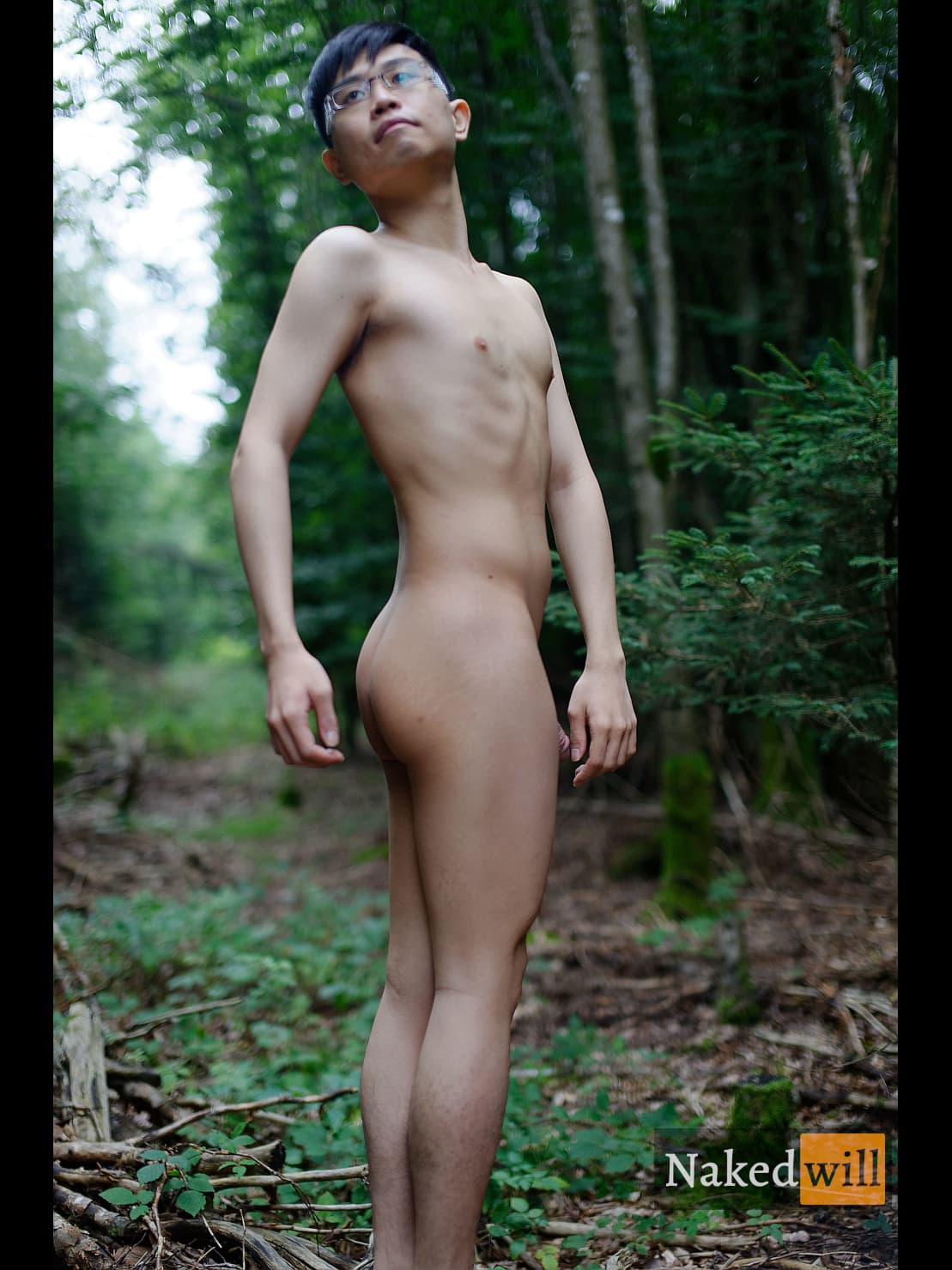
The Excuse Machine: Why I Know Exactly What to Do and Still Don't Move
There's a pair of running shoes by my front door. They've been there since Tuesday. I know the route I'd take — down past the bakery, left along the canal, up the hill before the traffic gets busy. I could describe the uneven bit of pavement near the bridge. The whole thing is filed away in my head, ready to go.
Tuesday, Wednesday, Thursday. Each morning I found a reason. My knee felt strange. The light was grey. I'd slept badly. On Friday I'd slept well, which turned out to be a reason too — I shouldn't waste good energy on a hard run.
The gap between knowing the route and putting on the shoes is where most of my life happens. Not in the doing. Not in the not knowing. In that small, crowded space where the excuse machine spins up and starts producing reasons faster than I can argue with them.
I used to think this was a character flaw. Laziness with a better vocabulary. These days I think it's machinery. And machinery can be understood.
The excuse arrives after the feeling
Here's what I've noticed in myself: the reason never comes first. The feeling comes first, and the reason shows up a few seconds later in a nice suit, holding a clipboard.
I don't skip the run because of my knee. I skip it because some part of me is bracing for something — the cold air on my arms, the awkward first three minutes when my body protests, the possibility of being seen huffing up a hill by someone who looks effortless.
The excuse is a press release issued by a feeling.
Psychologists call this procrastination-as-emotion-regulation, which is a tidy way of saying we don't avoid the task, we avoid the mood the task stirs up. That framing helped me more than any productivity app ever did. It moved the question from why am I so lazy to something I could actually work with: what am I afraid of feeling in the next ten minutes?
What the excuse is protecting
When I'm honest, the answers are usually small and unglamorous.
I'm afraid of starting badly. I'm afraid of being a beginner in public. I'm afraid of the mirror in the changing room, and of the moment I have to take my shirt off and act normal about it.
For years I let that fear make my decisions and then dressed the decision up as scheduling. I avoided the pool for almost two years. Not because I didn't want to swim — I love swimming — but because the walk from the locker room to the water felt like a courtroom.
When I finally went back, the thing I'd built up in my head lasted about forty seconds. Nobody looked. Nobody cared. A man in his seventies told me the water was cold and that it was better cold. That was the whole event.
The mirror is part of the work
I've written before about standing naked in front of a mirror without turning away. Not as a fitness audit. Not as punishment. Just looking, unhurried, with no audience.
It's the cheapest exposure therapy I know, and it turns out to be the same muscle I need for everything else. The body I avoid at the gym is the body I avoid in the mirror. Ignoring it doesn't make it friendlier — it just makes the avoidance more efficient.
So I practise looking. Some mornings I still flinch. Some mornings I don't. Either way, I've stopped treating my body as a project with a deadline and started treating it as the place I actually live.
Shrink the first step until it's embarrassing
Starting costs more than continuing. That's the whole physics of it. The trick isn't more willpower, it's a smaller start.
Not run five kilometres. Put on the shoes and stand outside for two minutes.
Not work out for an hour. Roll out the mat and lie on it.
I've done the second one naked on my living room floor, doing absolutely nothing, and counted it as done. Sometimes it turned into something. Sometimes it didn't. The streak survived on a technicality, and technicalities are allowed to keep streaks alive.
Decide once, not every morning
Every time I negotiate with myself at 6:40 a.m., I'm tired, I'm warm, and I have a talent for arguing. So I stopped negotiating. I made rules instead.
When the alarm goes off, I put on the clothes I laid out the night before. When I get home from work, I roll the mat out before I sit down.
If-then rules are dull, and that's the point. Dull rules don't require a decision. And the other rule I keep is: never miss twice. One missed day is a day. Two is a new pattern.
Self-criticism is a bad trainer
The voice that says you're pathetic, get up feels productive. It isn't. In my experience it buys one workout and costs a week of dread.
Being kind to myself isn't letting myself off the hook. It's the difference between a coach who says that was a rough start, try the smaller version and one who shouts until I stop showing up altogether. I know which coach I'd hire.
The shoes by the door
It's Saturday now. I'm going to put the shoes on and stand outside for two minutes, and if that's all it is, that's all it is.
The excuse machine will still be there tomorrow, humming away, generating reasons in a nice suit. I'm not trying to switch it off anymore. I'm just trying to be quicker than it is.
Thank you for being here with me on this naked journey. If my story resonates with you, please visit nakedwill.com, read my blog, follow my updates, and join me in exploring body freedom, authenticity, and naturism with kindness.
What's the excuse your brain reaches for most often — and what's the feeling hiding underneath it? I'd genuinely like to know. I'll be reading every reply.