General Topics · 5 min read · NakedWill
The Same Body, Two Files: Notes on Making an "NSFW" Cut
Why making an NSFW cut of the same footage taught me more about shame than about nudity — and what the warning label really measures.
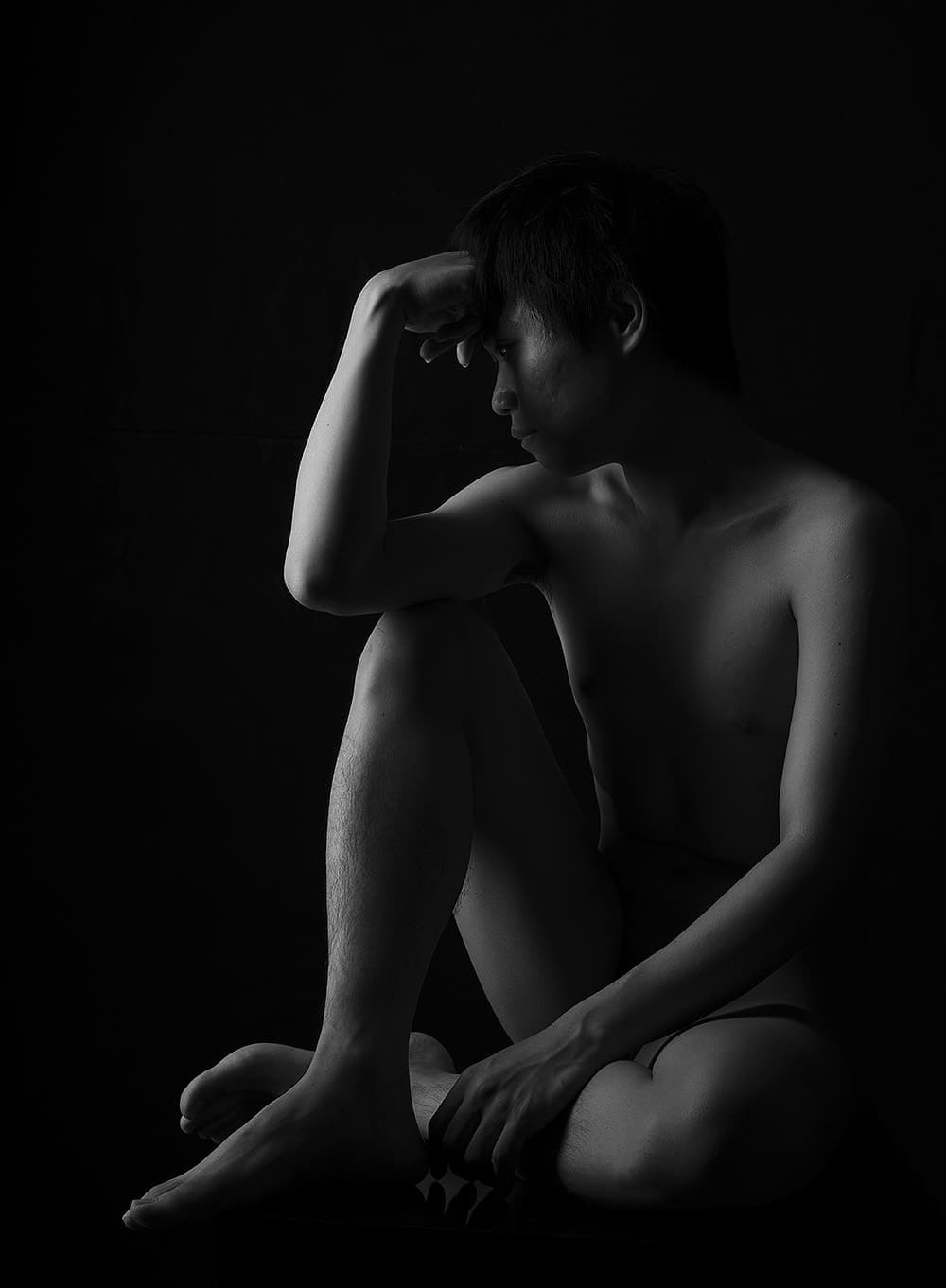
The Same Body, Two Files: Notes on Making an "NSFW" Cut
I uploaded the same afternoon twice this week. Same room, same light coming in low over the balcony, the kind that makes the dust visible if you stand still long enough. Same me, trying not to fidget. Two files left my laptop: one the platform will show to anyone, and one it wants me to tuck behind a warning.
I've been sitting with that.
The question the upload screen asks
Every video platform has the same little gate. A toggle, a checkbox, a dropdown that asks, politely, whether my body is permitted to be seen. I used to answer it fast, without thinking. Now I answer it slowly, because answering honestly costs something. You're telling a machine — and through the machine, an audience — that what you made is a problem by default.
Here's what the warning doesn't say. It doesn't say the light was good. It doesn't say I stood at that window for ten minutes before I stopped holding my shoulders up. It says: not safe for work.
Fine. It isn't. Neither is grief, or a real conversation, or the truth about how most of us feel in our bodies.
Two files, one afternoon
The shoot itself was small. A borrowed tripod, a fan humming in the corner, a towel on the chair because the floor was cold. My neighbour's dog barked through the third take and I kept it, because I liked that the room sounded lived in.
When I edit, I make two cuts almost by habit now. The first is careful: frame high, cut early, keep the pacing brisk. The second is the one I actually wanted to make. It holds the long takes. It lets the camera rest on a shoulder, a hip, a hand hanging at my side doing nothing in particular. It keeps the eleven seconds where I forget the camera is on and just look out the window like a person instead of a subject.
Nothing about my body changes between those files. Not one centimetre, not one shadow. What changes is how much of my unguarded self I'm willing to leave in the frame — and how much the internet has agreed it can handle.
"Not safe for work" measures labour, not harm
I keep coming back to this. The phrase is an HR term, not a moral one. It tells you whether an image would get someone in trouble at a desk. That's all it ever meant.
So a body — unclothed, calm, in daylight, doing nothing but existing — gets filed next to violence and cruelty, because both of them might cost you your job. I don't think that's a coincidence, exactly. I think it's what happens when we stop trusting people to hold complexity, and start trusting systems to sort things for us.
I'm not naive about this. There is material online that should be flagged, and I'd flag it myself. But somewhere in that sorting, quiet nudity got swept in with everything else, and a lot of people who might have felt something honest looking at a body like theirs learned to look away instead.
The part I still flinch at
I'll be honest, because that's the whole point of this place. I don't love watching myself back. There's a reflex that shows up in the first few seconds of every clip — a small flare of apology, like I owe the viewer an explanation for having a body with a history on it. Softness where I used to be lean. A scar on my hip from a fall off a bike at fourteen. Skin that has been in the sun too long and skin that hasn't.
Naturism didn't switch that reflex off. It just gave me a room where I could keep noticing it without obeying it.
That's most of what this work is, honestly. Not confidence. Practice.
How I film this without making it something else
If you're thinking about making your own, a few things I've learned the hard way.
Decide who's in the frame and who's holding the camera before you press record. If it's just you, fine — but check what's visible behind you. Windows, reflections, a mirror at the wrong angle. Privacy is not paranoia; it's just being kind to your future self.
Never film anyone who hasn't said yes, out loud, in words, that day. Not a partner half-asleep, not a friend who shrugged. Enthusiastic consent is the entire foundation of social naturism, and it doesn't expire because you got a good shot five minutes ago.
Keep your own copy and your own rules about where it goes. There should be one person who decides if a video comes down, and that person should be the one in it.
Outdoors, know the law where you actually are. Nude beaches, designated clubs, private land with permission — those are the places this works. A public car park is not a statement, it's a risk to everyone, including the person who didn't agree to see it.
Why I'm publishing both cuts
The safe version will reach more people. That's just arithmetic, and I'd be lying if I said the numbers didn't matter to me at all. But the other file matters more, and I want to be plain about why.
Because the version with the warning on it is the one where you can see me relax. Where the shoulders come down. Where I stop performing nudity as a concept and just stand in a room being a person with no clothes on, the way most of humanity has done for most of its history.
That shouldn't be the dangerous one.
What I'd like you to notice
If you watch it, notice what your own shoulders do. Notice if you look away first, and how long it takes you to look back. That little flinch is worth more attention than anything I could say about body positivity on a nice afternoon.
And if nothing happens — if you just watch a man stand in good light and feel mild boredom — then something has genuinely healed, and I'm glad.
Thank you for being here, genuinely. It's a quiet thing we're doing, and it's better with company.
— Will