General Topics · 5 min read · NakedWill
Two Cuts of the Same Morning: Why I Publish Both the SFW and NSFW Version
The same morning at the lake, released in two versions. Reflections on context, consent, cropping, and why the uncropped cut isn't automatically the more honest one.
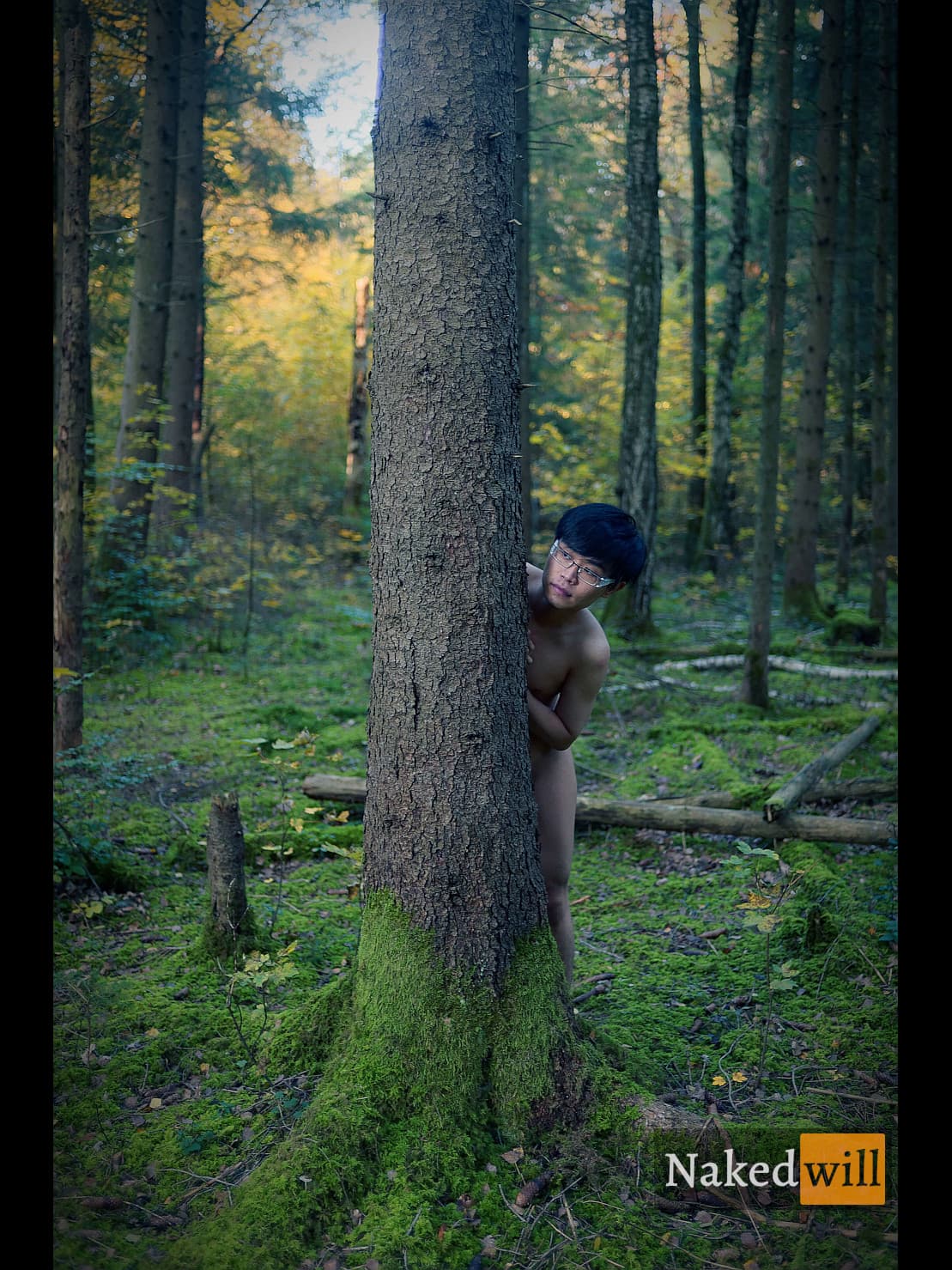
Two Cuts of the Same Morning
There's a clip I've been sitting with for a while now. Same camera, same light, same person in it — me, standing at the edge of the water with a towel over one arm, trying to work out whether the wind was warm enough to commit to.
Nothing about that morning changed between the two files I exported. The birds didn't care. The water was the same temperature. I still made the same small noise when it hit my ankles. What changed was the length, the crop, and what I decided to let you see.
I'm publishing both. A SFW cut, and the other one. I want to explain why, because the gap between those two files says more about nudity than either one does alone.
The morning, before any of it had a label
I got to the lake at twenty to seven. The water was flat enough that the far shore looked painted on. I set the tripod on a slab of rock that's been there longer than the road, and I remember being annoyed that one leg wouldn't sit level.
For the first few minutes I didn't film anything. I just stood there in the cold with my arms crossed, listening to that particular quiet you only get before other people arrive. Then I took the towel off and walked in.
That's the whole event. A man going into a lake. There is nothing dramatic about it. I have done it a hundred times and so have millions of other people, most of them without a camera.
But I had a camera. And once you have a camera, the moment splits into two questions: what happened, and what will be shown.
What the SFW cut actually keeps
The safe version isn't a bowdlerised thing, and I don't want to present it as a consolation prize. It has the shoulders. The back. The moment where I turn before stepping down off the rock. The laugh when the water reaches somewhere unpleasant. You see the shake of my hands, the steam coming off my skin, the way the light was still low and orange and doing that thing it does at that hour.
The story is all there. It's the same story with the door half open instead of wide.
I like that version. It's the one I'd send to a friend who's curious about naturism but not ready to look at a stranger's body on a screen at work.
The other cut doesn't hold anything back — and that's not the point
Here's what I've come to believe after a few years of this: the uncropped version is not more honest. It's just less cropped. Honesty was already sitting in the first file, in the fact that I didn't perform a flattering pose and I didn't suck anything in and I didn't edit out the part where I nearly fell over.
Nudity gets treated as the raw truth and clothing as the lie, and I don't think that's quite right either. Some people are more themselves in a jumper. The revelation isn't the absence of fabric. It's the absence of pretending.
So the second cut shows more skin. It doesn't show more of me. That distinction matters to me more now than it did when I was younger and thought exposure was the same thing as honesty.
The same body, in four different rooms
I've been naked in a life drawing room where nobody looked up from their paper for forty minutes. I've been naked on a beach in Spain where it was less remarkable than the man selling sunglasses. I've been naked in a locked folder on my own phone, and I've been naked in a gallery, framed, printed large, lit from above.
My body didn't change in any of those places. The container did.
That's the whole argument, really. When people say nudity is always sexual, they're not describing the body — they're describing the only context they've ever been given for it. Give someone a different room and the same skin reads completely differently. The naturist beach doesn't feel erotic. It feels like a beach. The gallery doesn't feel shocking. It feels quiet.
So when I publish two versions of one clip, I'm not trying to split myself in half. I'm acknowledging something that was always true: the meaning lives in the context, and context is something we build together, with consent and care, every single time.
Why I don't hide the other file
I could pretend it doesn't exist. Plenty of people would, and I don't judge them for it. But hiding it would mean I think the uncropped version is shameful, and I've spent too long unlearning that to go back now.
What I do instead is keep it behind a simple age check, clearly labelled, in a space people choose to enter. Not because it's dirty. Because consent and context are the whole point, and a click that says yes, I want to see this is a small, decent ritual we've mostly abandoned online.
Nobody stumbles into it. Nobody gets surprised by it while scrolling on a train. That's not prudishness, that's basic manners.
A few things I've learned about uploading your own skin
- Decide who it's for before you decide what it shows. The audience shapes the cut, not the other way around.
- Label things. A warning line costs nothing and buys someone else's comfort.
- Keep the unflattering takes. The shot where your stomach folds and your hair is wrong is usually the one a stranger needed to see.
- Remember that legality is local. A lake in one country is a fine and a police visit in another. Check before you pack the tripod. Always.
- Never film anyone who hasn't said yes on the day, in that moment, out loud.
What I hope you take from the clip
Watch the safe one first. Notice how much of the morning survives — the cold, the light, the slight hesitation before the first step. Then remember it's the same file I started with, before I made a single choice about what to keep.
The editing is a kindness, not a lie. And the version behind the door isn't a secret. It's just the same morning, standing somewhere slightly less dressed.
Thank you for being here, for reading this far, and for being the kind of person who thinks about context instead of just content. That's rarer than it should be.